About This Dome Roof Fire Training Simulator
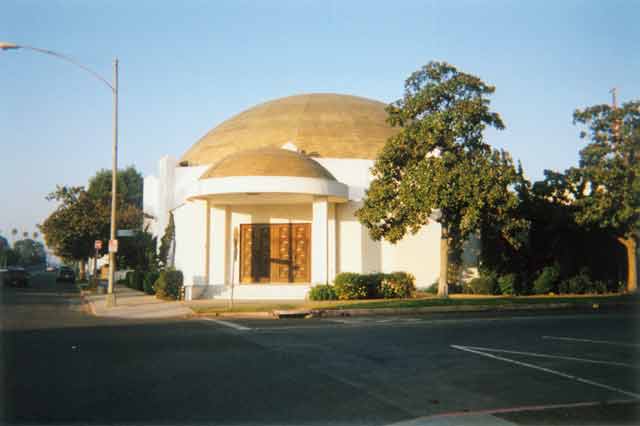
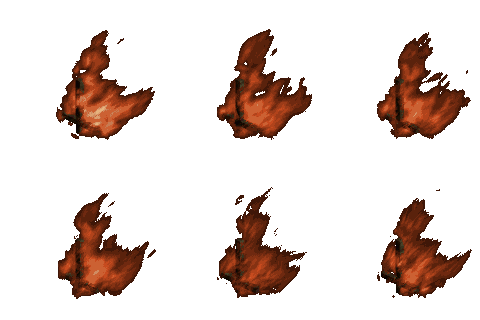
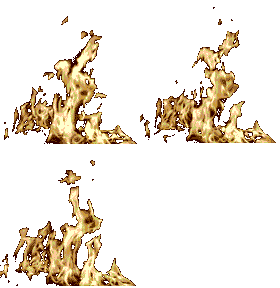
Dome roof structures present unusual size-up challenges that most firefighters rarely encounter. The curved geometry affects ventilation options, water application angles, and roof access tactics, and the large open interior volume can allow significant fire development before visible exterior signs appear. Use this simulator to familiarize crews with non-standard construction, size-up decision-making, and incident command for unconventional structures. Drag and drop fire and smoke onto the photo to build scenarios. It is free, runs in the browser on desktop and mobile, and needs no software installation.
How to Use It
- Study the photo for a minute as if you were the first-arriving officer on scene.
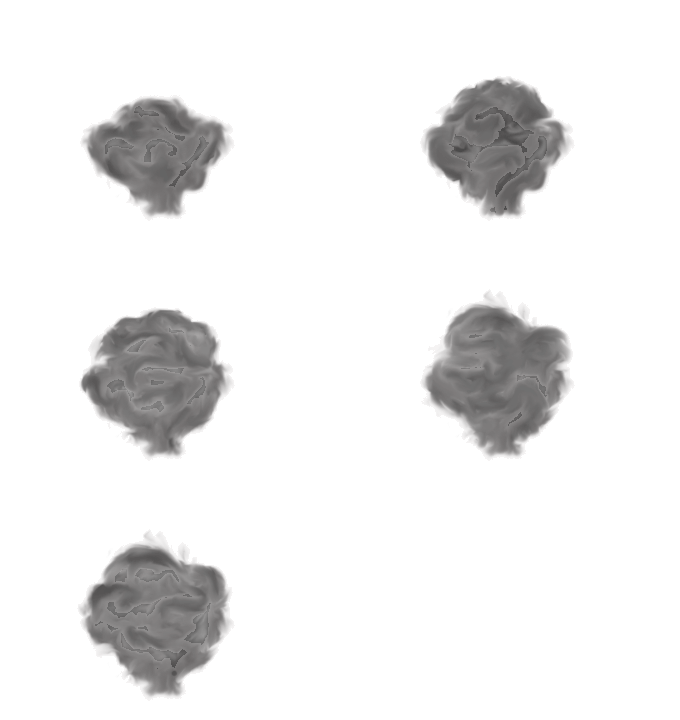
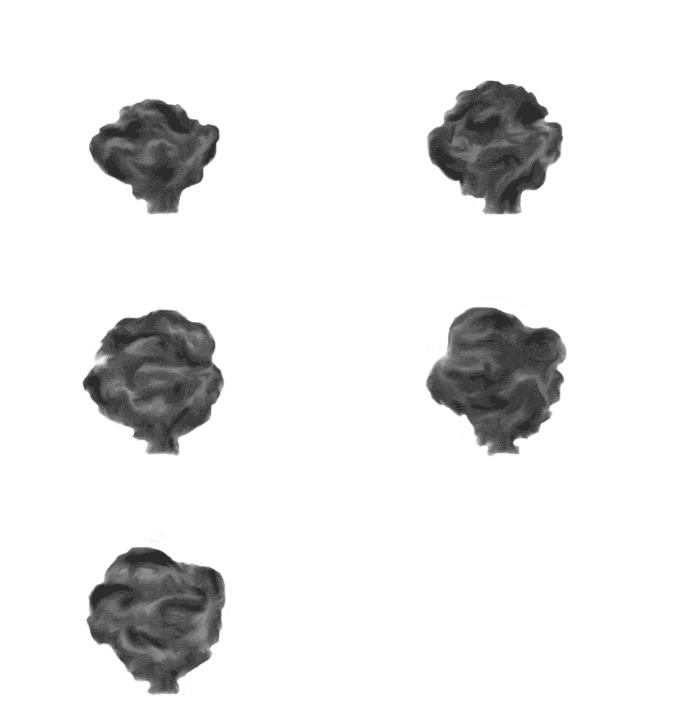
- Drag fire, smoke, wind-driven smoke, and personnel onto the scene to create a scenario.
- Give your size-up report and initial action plan, then change the scenario and repeat.
Size-Up Considerations for a Dome Roof Structure
- Construction type: Dome structures vary and may use concrete, steel, wood, or other framing. Identify the construction as early as you can, because it drives collapse risk and your tactics.
- Roof access: A curved roof surface can make roof operations difficult and unsafe. Decide whether roof operations are realistic before you commit crews.
- Ventilation: With few conventional roof openings, think about where smoke and heat can be released and what horizontal ventilation options exist.
- Large open space: A big interior volume can hide a developing fire. Smoke at the exterior may be a late sign, so use what you see to estimate how long the fire has been burning.
- Water application: Curved surfaces change how streams reach the fire. Think about stream position and reach.
- Pre-incident planning: Rare building types are best learned before the call. Use this as a planning exercise for unusual structures in your own response area.
- Photo check: Before you decide on a plan, look at the spacing to neighboring buildings, overhead lines, parked vehicles, and access for apparatus.
Practice Scenarios
- Smoke from the top of the dome or roof vents with no visible fire at ground level.
- Fire in a room or area attached to the dome and extending toward it.
- Heavy smoke from the doors with wind pushing it across the front of the building.
- Fire near the edge of the structure with an exposure close by.
Discussion Questions
- What are your first three observations on arrival, and what do they tell you?
- What would you need to know about this building before the fire, and how would you find out?
- What is the greatest life hazard, and what is your first priority?
- Which hoseline goes where, and what resources would you request?
- What would make you change from an offensive to a defensive strategy?
This tool is for training discussion only. Always follow your own department's standard operating procedures and local protocols.